
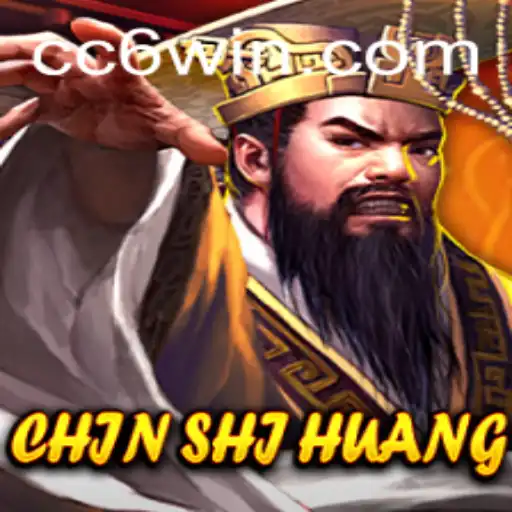

Delve into the fascinating world of ChinShiHuang, a game that merges historical intrigue with strategic gameplay that captivates enthusiasts.
h1ChinShiHuang: A Journey Through History and Strategyh1
pChinShiHuang isn’t just a game; it’s a voyage through the annals of ancient Chinese history. Named after the first Emperor of China, Qin Shi Huang, the game offers players an immersive experience that combines historical themes with strategic challenges. In this article, we explore the intricacies of ChinShiHuang, its rules, and how it integrates contemporary elements into its gameplay./p
h2Introduction to ChinShiHuanghai
pThe game ChinShiHuang is inspired by the life and times of Qin Shi Huang, the figure who unified China in 221 BC. His influence is not merely a historical footnote but a cornerstone in Chinese culture, and the game draws heavily on this rich history. Players are transported back to ancient China, tasked with developing strategies that reflect the geopolitical and socio-economic challenges of that era./p
pContemporary elements have been thoughtfully woven into the gameplay to keep it relevant and engaging for modern audiences. As we find ourselves relying increasingly on strategic thinking in real-world applications, ChinShiHuang offers a perfect blend of education and entertainment./p
h2The Core Mechanics of ChinShiHuanghai
pThe game is structured around several core mechanics that challenge players to think critically and act decisively. At its heart is the strategic element, as players assume the role of regional leaders in ancient China. Their primary goal is to consolidate power and resources, much like Qin Shi Huang himself./p
h3Resource Managementh3
pIn ChinShiHuang, effective resource management is paramount. Players must allocate resources wisely to build infrastructures such as roads, walls, and palaces. These resources are not unlimited, echoing the scarcity and competition of the real world./p
h3Diplomacy and Alliancesh3
pPlayers must also engage in diplomacy, forging alliances and navigating the treacherous waters of ancient Chinese politics. Each alliance presents benefits and potential risks, and players must weigh these carefully. The strategic dimension of forming coalitions mimics the diplomatic relations that modern leaders must manage./p
h3Military Strategiesh3
pJust as Qin Shi Huang relied on military prowess to unify China, players must develop their armies to guard against attacks while expanding their territories. The military aspect demands players balance aggression with negotiation, a skill equally valued in contemporary strategic planning./p
h2Rules of Playh2
pThe game begins with each player selecting a province on the ancient Chinese map. This starting point sets the stage for further expansion and conquest. Players receive a set number of resources each round, which they distribute according to their strategies for development, defense, and diplomacy./p
h4Round Structuring and Turn Orderh4
pEach turn comprises several phases, beginning with the allocation of resources. Players then proceed to the negotiation phase, where they can make treaties or declare wars. The final phase involves either project development or military maneuvers, where players expand territories based on their strategic priorities./p
h4Victory Conditionsh4
pVictory in ChinShiHuang is achieved by amassing a predetermined amount of influence points, obtained through territorial expansion, successful alliances, and resource management. The balance of power can shift quickly, thus requiring players to remain vigilant and adaptive throughout the game./p
h2Current Events and Their Influence on the Gameh2
pA fascinating aspect of ChinShiHuang is its integration of current events into gameplay. For instance, environmental challenges such as climate change are represented through resource availability and natural disasters. Players experience a dynamic game environment that reacts to in-game and real-world developments./p
pThis feature mirrors current global issues, prompting players to consider how historical lessons apply to contemporary problems. The game challenges players to develop adaptive strategies, preparing them for real-life decision-making in an ever-changing world. These connections to current events offer an additional layer of realism and immersion, making ChinShiHuang more than just a recreation of the past./p
h2Player Engagement and Community Feedbackh2
pChinShiHuang has garnered a dedicated following, with players worldwide engaging in forums and discussions. The feedback mechanism encourages developers to integrate player suggestions, evolving the game based on user experiences. This collaborative development cycle ensures that ChinShiHuang remains not only historically accurate but also engaging and relevant to its audience./p
pCommunities have formed around discussing strategies, sharing player-generated content, and organizing competitive leagues, showcasing the game’s potential to bring people together. By engaging with both history enthusiasts and strategic gamers, ChinShiHuang has created a niche market that thrives on innovation and interaction./p
pFrom resource management challenges to strategic diplomacy, ChinShiHuang encapsulates a myriad of experiences that appeal to a diverse audience. As the game continues to evolve in response to both historical insights and current events, it promises an engaging journey for gamers around the world./p